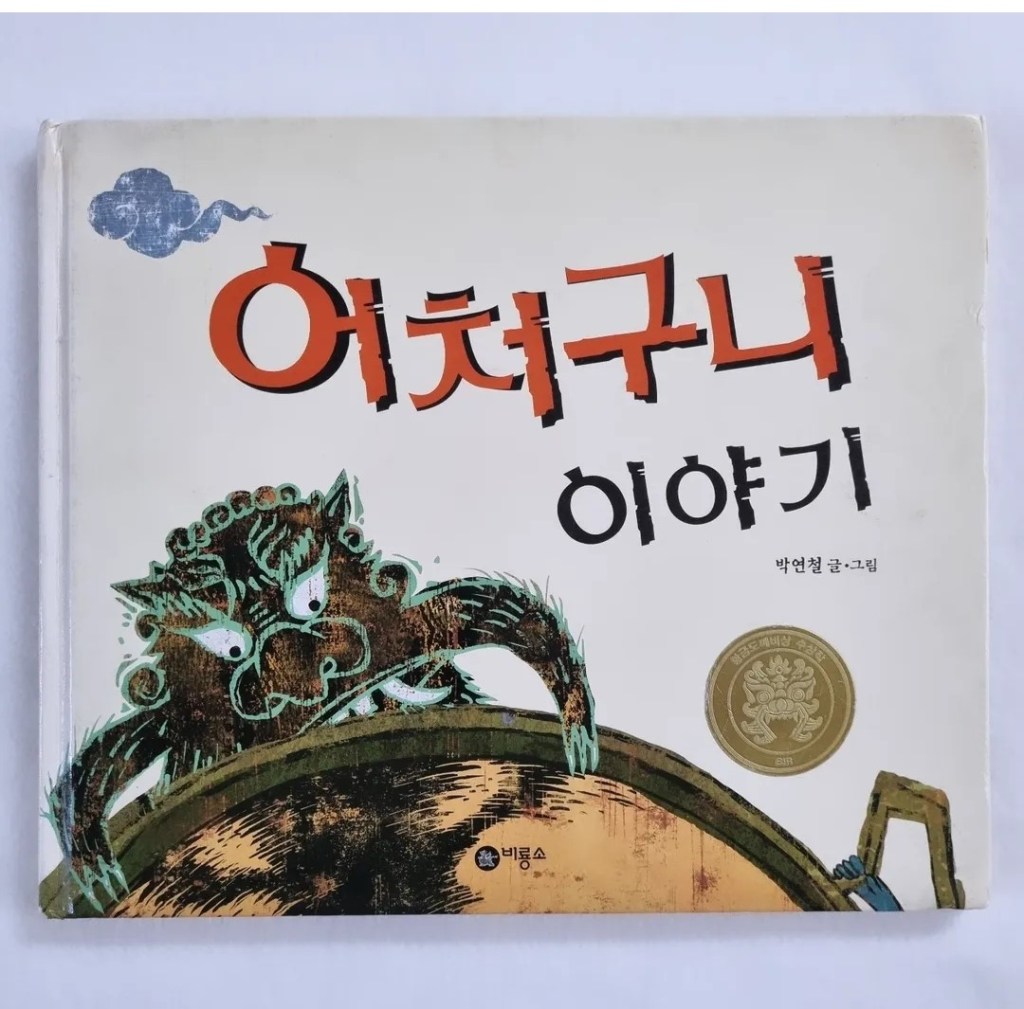
Written & Illustrated by Park Yeon-cheol | Published by Biryongso
Have you ever heard the word “Eocheoguni”?
In modern Korean, people say “This is absurd!” using an expression that literally means “There is no eocheoguni.”
But what exactly is an eocheoguni?
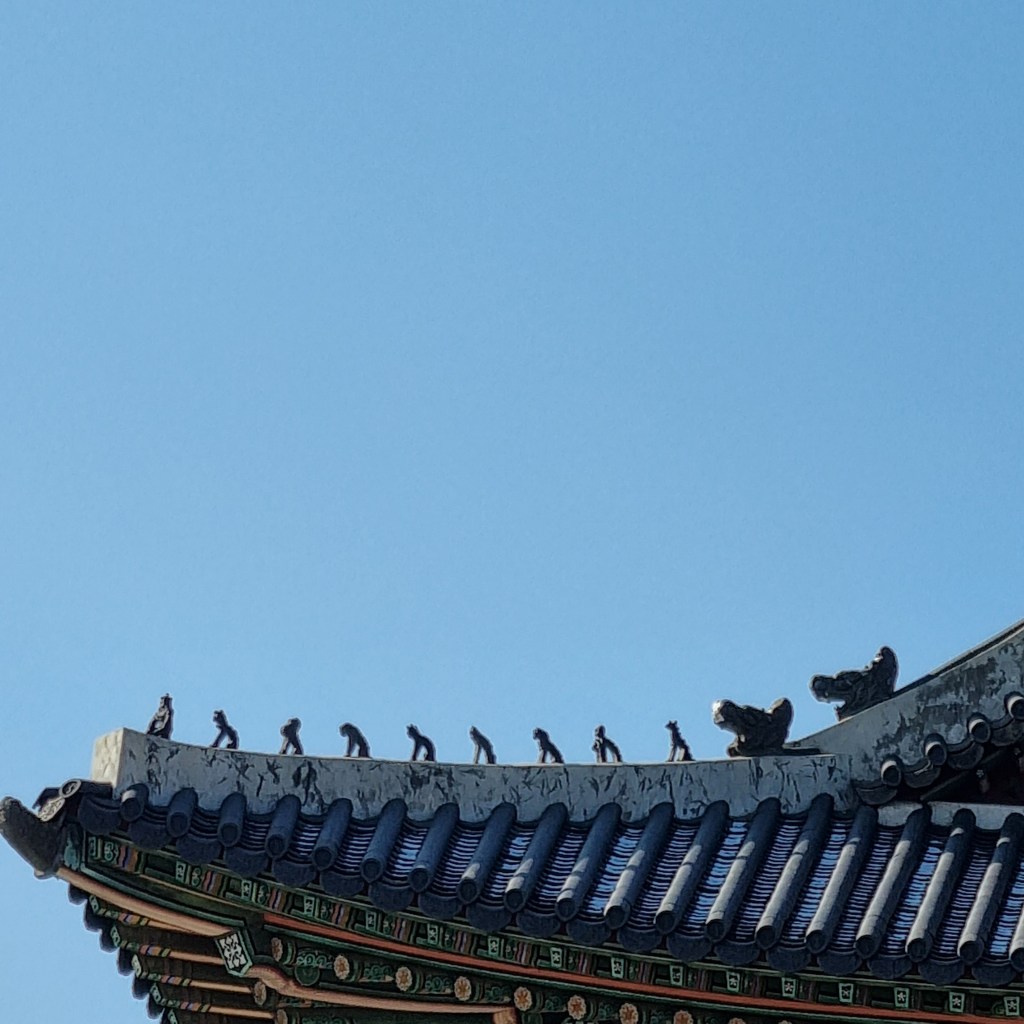
An eocheoguni is a small decorative guardian figure, traditionally placed along the edge of palace rooftops in Korea. These tiny statues, also known as japsang, were believed to protect buildings from evil spirits.
If you visit Gyeongbokgung Palace in Seoul, you can still see these whimsical figures sitting along the roof ridges.
But how did they end up there?
That’s the delightful question this picture book explores.
📖 About the Story
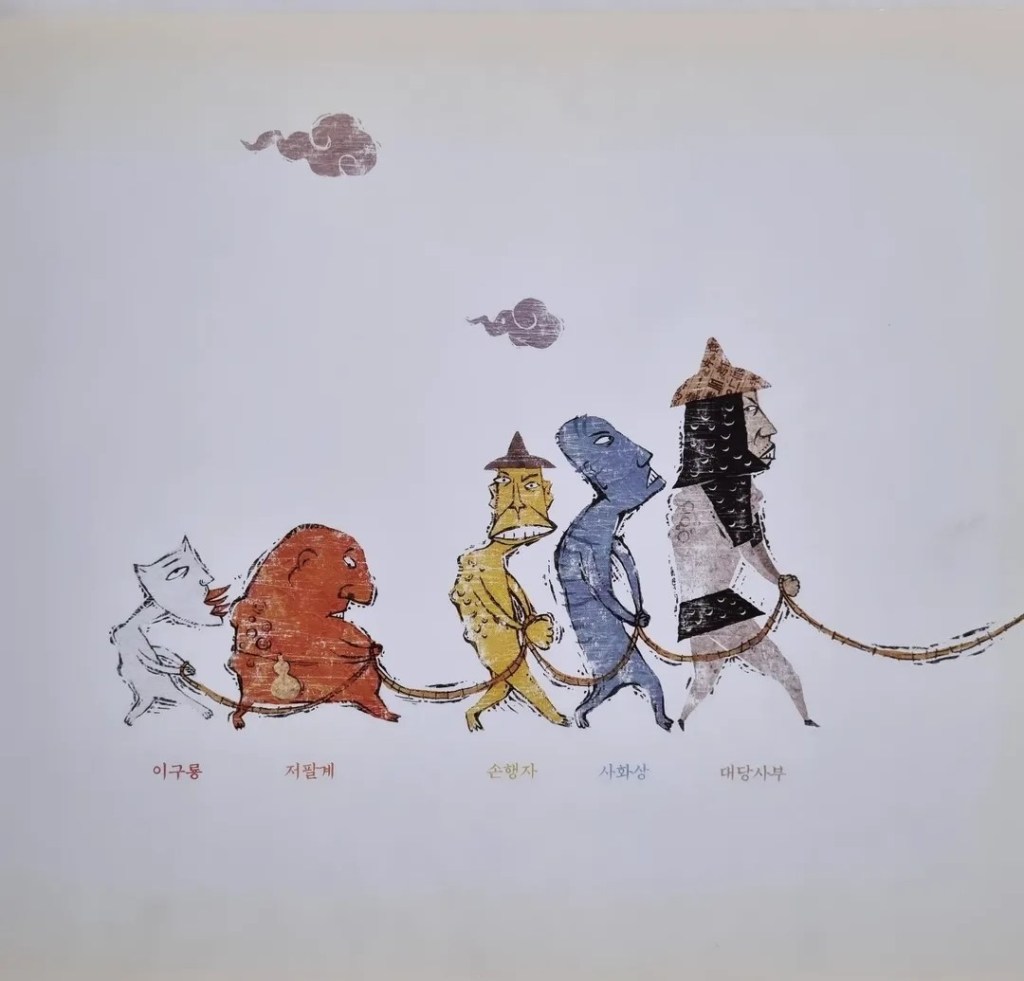
In the heavenly kingdom, the mischievous eocheoguni are causing chaos once again.
The Heavenly King comes up with a solution:
Capture the “Bad Son” spirit, and you will be forgiven.
Fail, and you will face severe punishment.
Here, “Son” refers to a traditional Korean folk spirit associated with misfortune — the same “Son” mentioned in the phrase “Son-less days” (auspicious moving days in Korean tradition).
Curious already?
The clever eocheoguni devise a mysterious plan.
Will they succeed? Or will they be punished?
To find out what happens next, you’ll have to read the book.
🌿 Why This Book Stands Out
- Introduces traditional Korean rooftop guardian figures
- Explains Korean folk beliefs in an engaging, humorous way
- Combines cultural education with imagination
- Rich, expressive illustrations full of personality
- Enjoyable for both children and adults
Rather than presenting history as dry information, this book brings Korean heritage to life through storytelling.
👶 Recommended Age
Ages 6 and up
Great for early elementary readers and families interested in Korean culture.
After reading this book, you may find yourself looking more carefully at palace rooftops —
and perhaps understanding a common Korean expression in a whole new way.


Leave a Reply