Category: 2026 Releases

Korean picture books published in 2026.

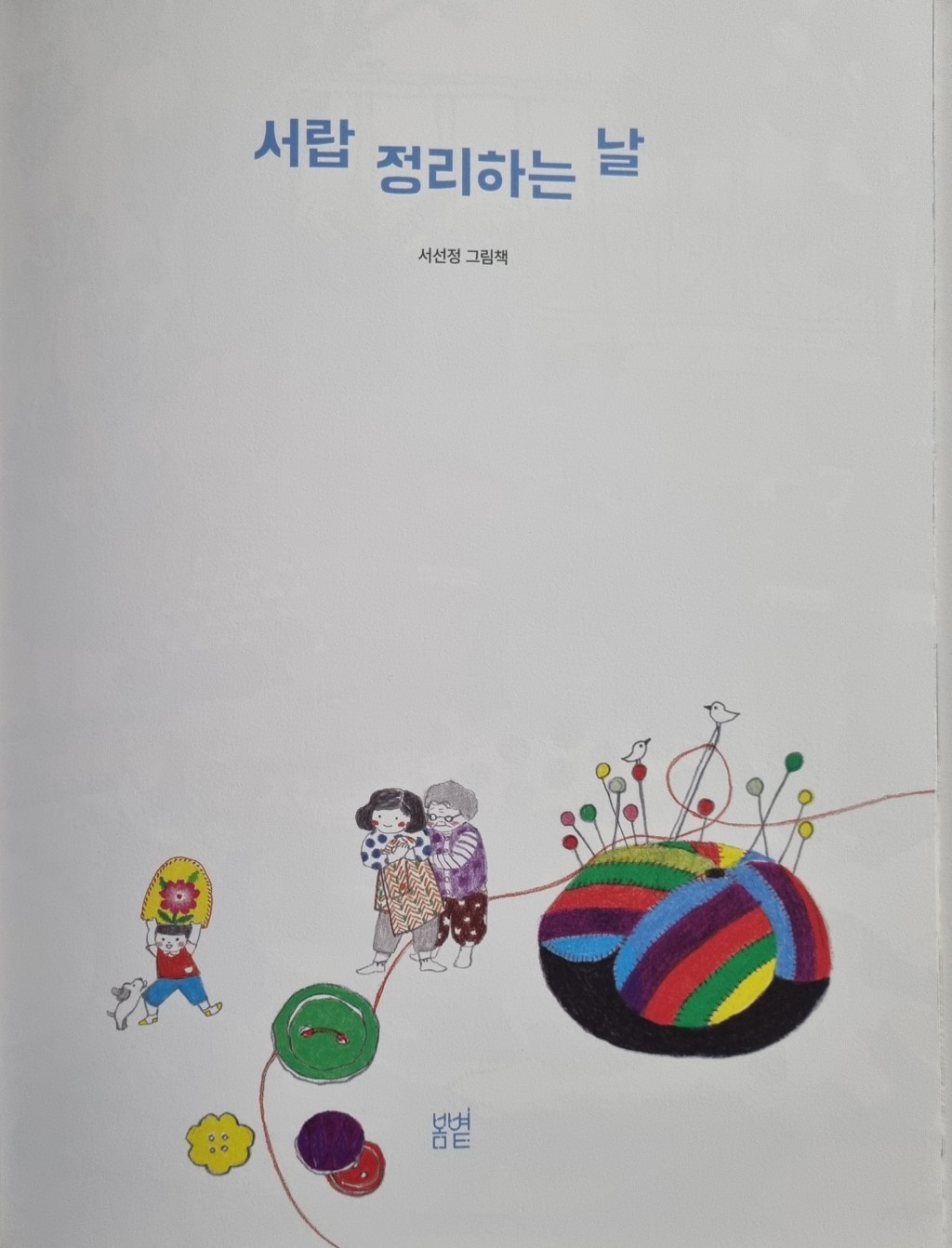
  • Drawer-Cleaning Day – A Heartwarming Korean Picture Book About Letting Go

    Drawer-Cleaning Day – A Heartwarming Korean Picture Book About Letting Go

    Written by Seo Seon-jeong | Published by Bombom Publishing

    Spring is coming.
    A new school year is just around the corner.

    It feels like the perfect time to clean out the drawers.

    That’s how this gentle picture book begins — with a family preparing for change through something simple: organizing clothes.


    📖 About the Story

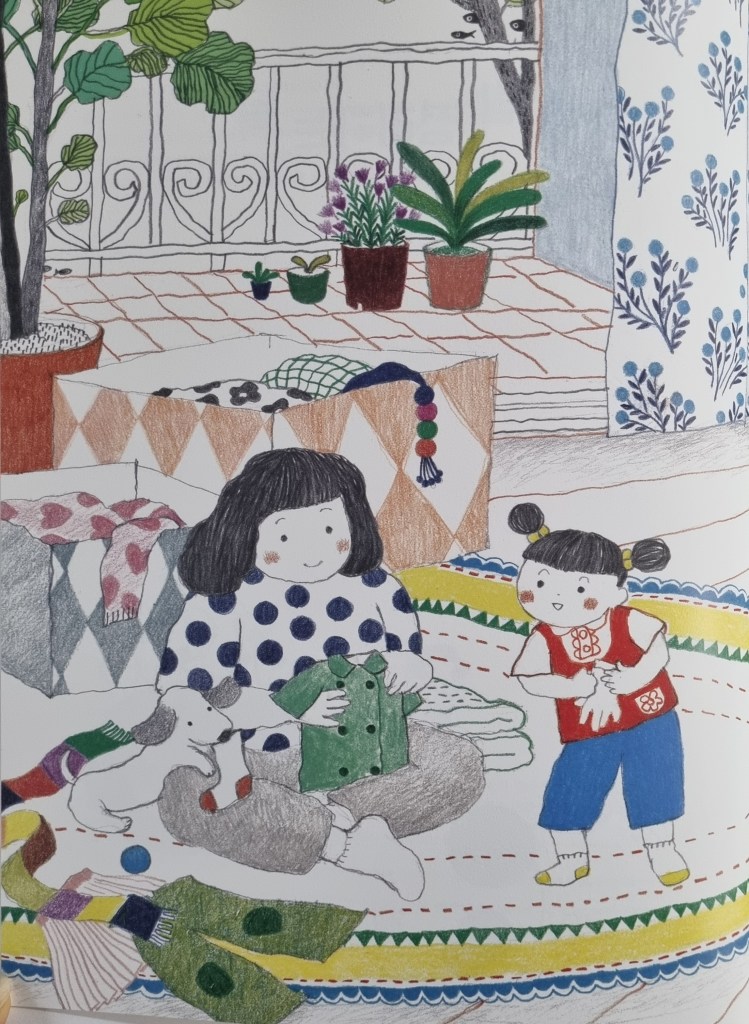
    Before moving, the family starts sorting through their clothes.

    Some are too small.
    Some are worn from love and use.
    Some are given to others.
    Some are transformed into something new.

    Through this quiet act of cleaning and sharing, memories resurface.

    Thanks to a loving grandmother skilled with her hands, both mother and child carry warm memories stitched into every piece of clothing.

    Clothes that once held laughter and growth are passed along again —
    ready to begin new stories in someone else’s life.


    🌸 Why This Book Feels Special

    • Teaches children about sharing and sustainability
    • Encourages emotional reflection through everyday objects
    • Gentle introduction to seasonal change and new beginnings
    • Rich visual details that invite readers to “search and find”

    There is also a delightful element woven throughout —
    spotting the illustrator’s signature fish,
    finding birds hidden in the scenes,
    discovering patterns in fabric.

    A quiet but deeply meaningful reading experience.


    👶 Recommended Age

    Ages 5–8
    Perfect for families preparing for a new school year or a seasonal reset.
    After reading, you may look at your own closet differently —
    not just as storage, but as a collection of memories.
  • The Story of Eocheoguni – A Playful Journey into Korean Palace Guardians

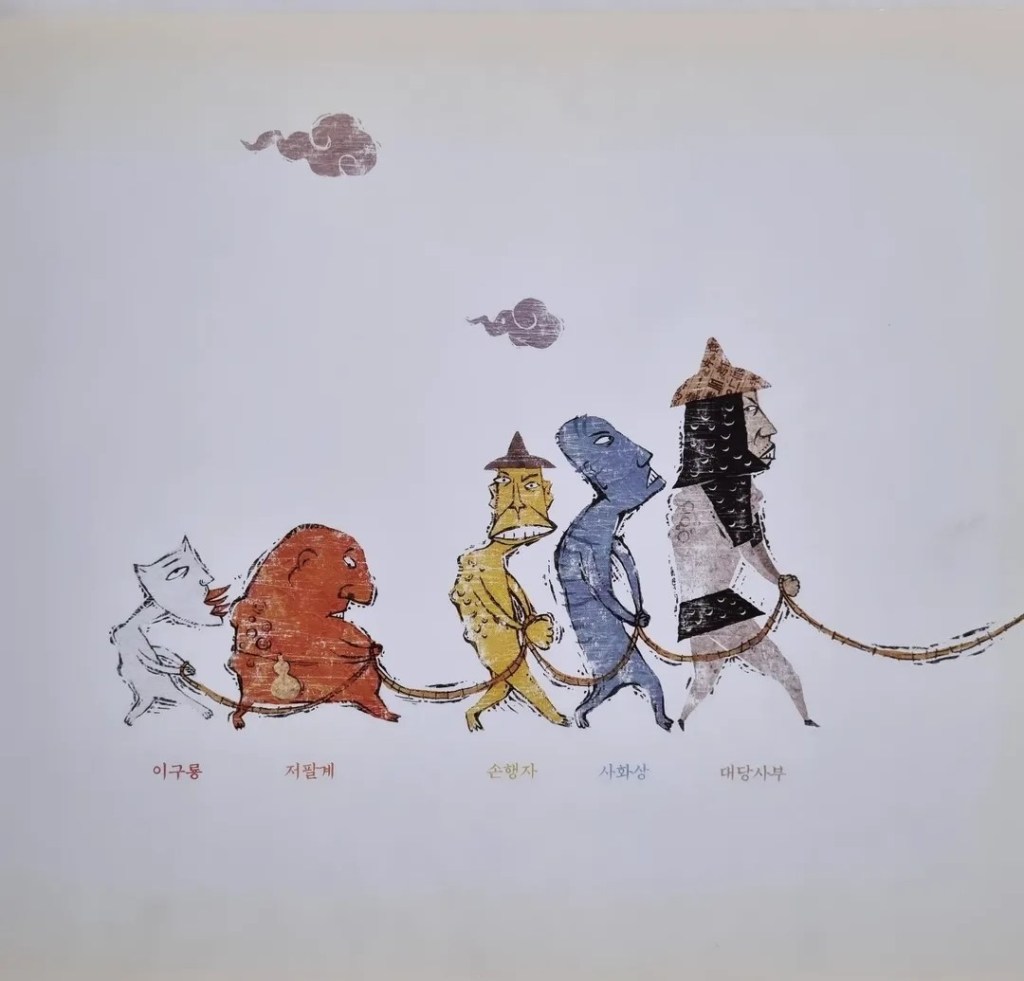
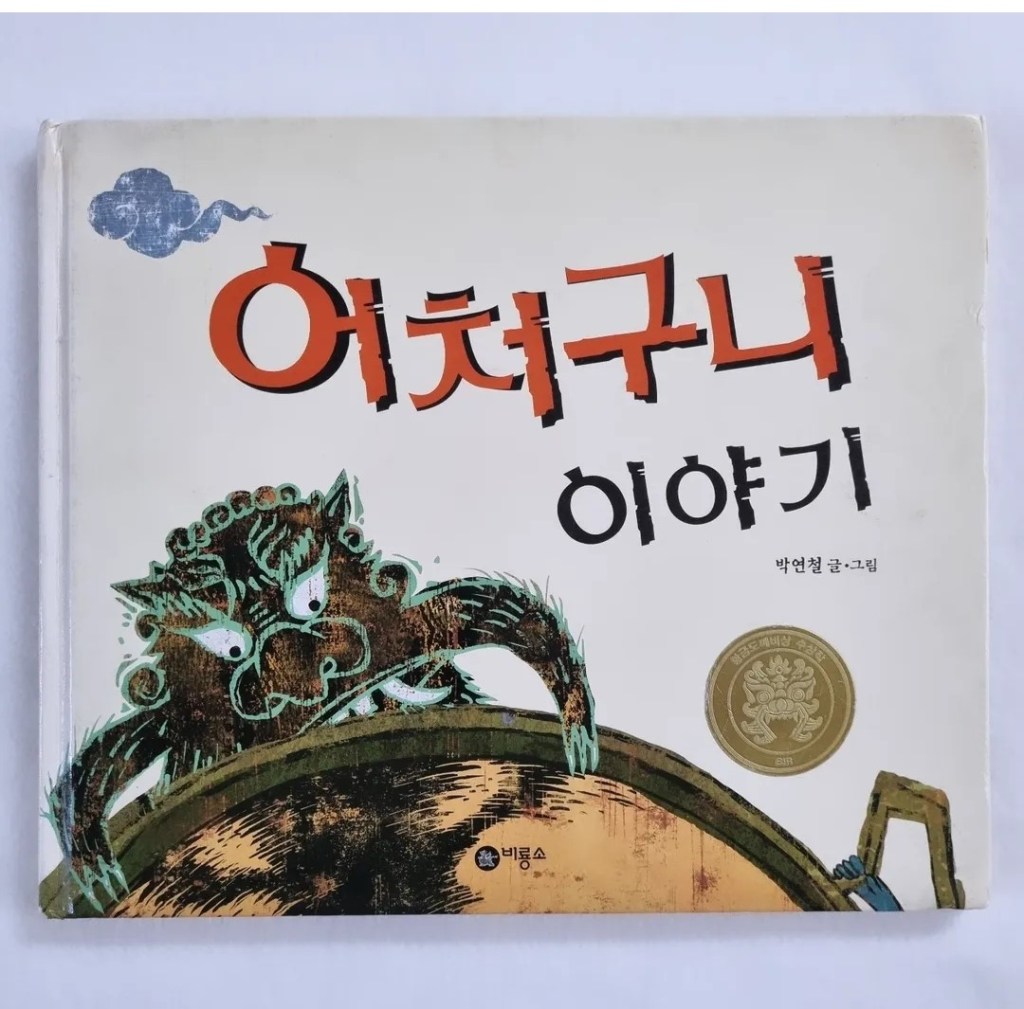
    The Story of Eocheoguni – A Playful Journey into Korean Palace Guardians

    Written & Illustrated by Park Yeon-cheol | Published by Biryongso

    Have you ever heard the word “Eocheoguni”?

    In modern Korean, people say “This is absurd!” using an expression that literally means “There is no eocheoguni.”
    But what exactly is an eocheoguni?

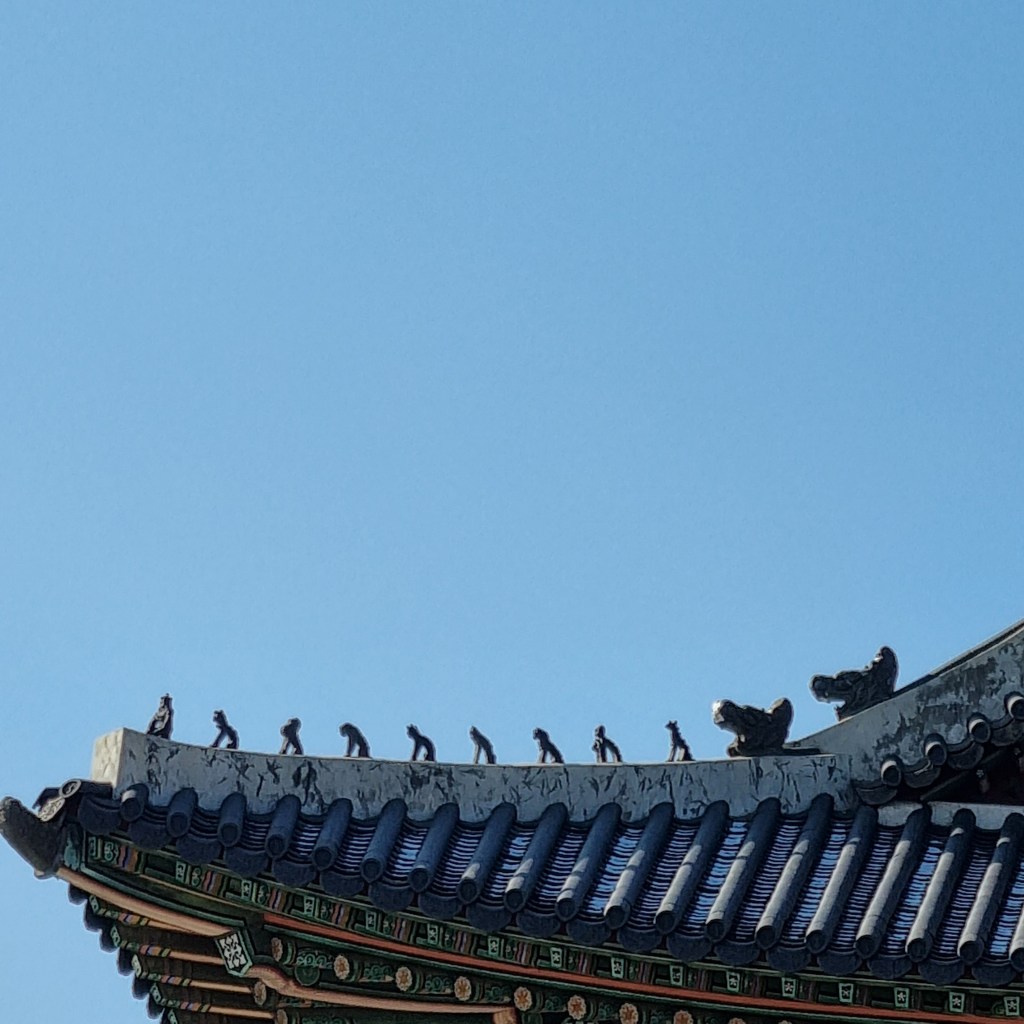
    An eocheoguni is a small decorative guardian figure, traditionally placed along the edge of palace rooftops in Korea. These tiny statues, also known as japsang, were believed to protect buildings from evil spirits.

    If you visit Gyeongbokgung Palace in Seoul, you can still see these whimsical figures sitting along the roof ridges.

    But how did they end up there?

    That’s the delightful question this picture book explores.


    📖 About the Story

    In the heavenly kingdom, the mischievous eocheoguni are causing chaos once again.

    The Heavenly King comes up with a solution:

    Capture the “Bad Son” spirit, and you will be forgiven.
    Fail, and you will face severe punishment.

    Here, “Son” refers to a traditional Korean folk spirit associated with misfortune — the same “Son” mentioned in the phrase “Son-less days” (auspicious moving days in Korean tradition).

    Curious already?

    The clever eocheoguni devise a mysterious plan.
    Will they succeed? Or will they be punished?

    To find out what happens next, you’ll have to read the book.


    🌿 Why This Book Stands Out

    • Introduces traditional Korean rooftop guardian figures
    • Explains Korean folk beliefs in an engaging, humorous way
    • Combines cultural education with imagination
    • Rich, expressive illustrations full of personality
    • Enjoyable for both children and adults

    Rather than presenting history as dry information, this book brings Korean heritage to life through storytelling.


    Gyeongbokgung Palace roof statues

    👶 Recommended Age

    Ages 6 and up
    Great for early elementary readers and families interested in Korean culture.


    After reading this book, you may find yourself looking more carefully at palace rooftops —
    and perhaps understanding a common Korean expression in a whole new way.

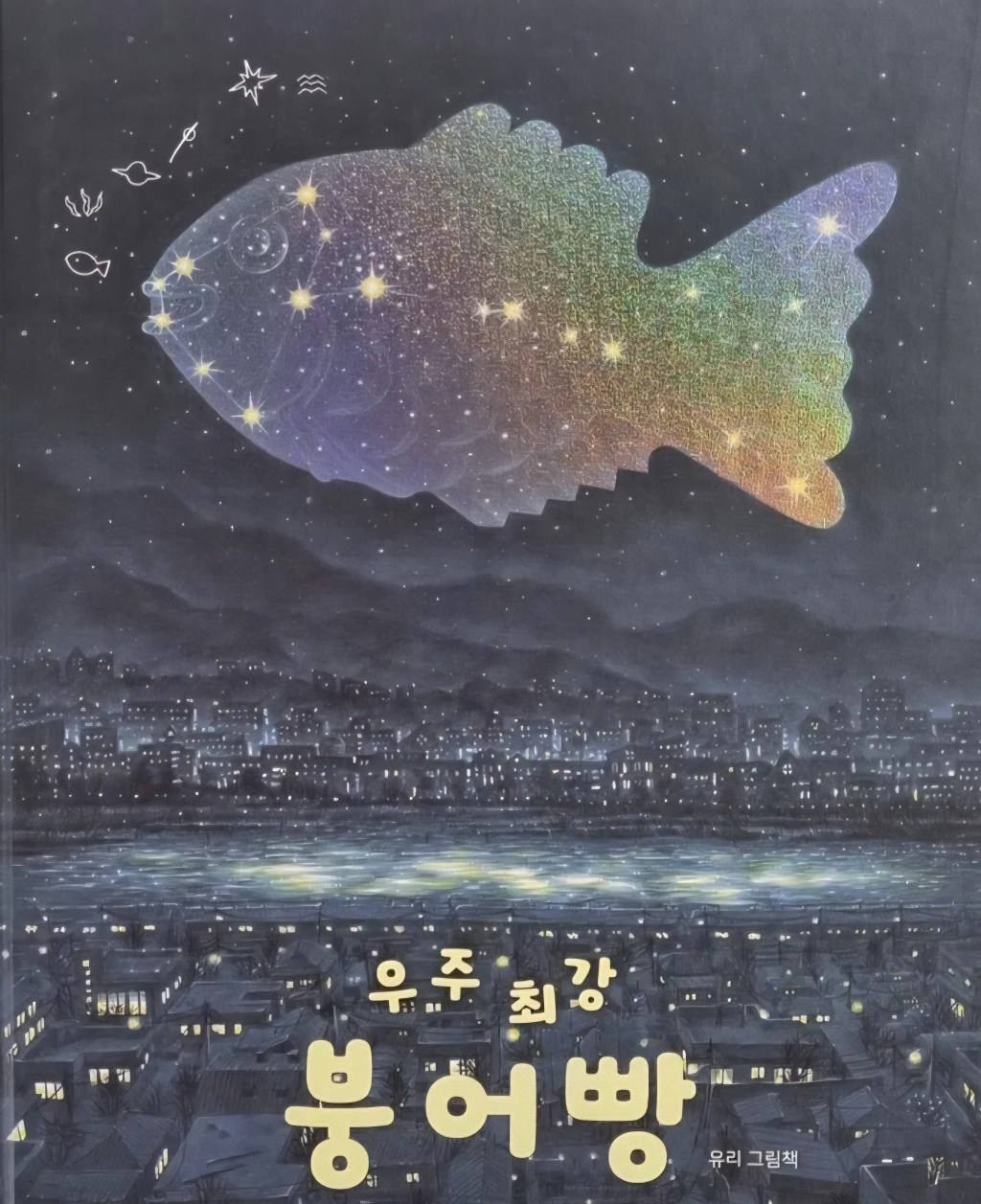
  • The Strongest Bungeoppang in the Universe – A Cozy Korean Winter Picture Book

    The Strongest Bungeoppang in the Universe – A Cozy Korean Winter Picture Book

    The Strongest Bungeoppang in the Universe

    Written & Illustrated by Yuri
    Publisher: Iyagikot (이야기꽃)

    “I am a bungeoppang vendor.
    I make the most delicious bungeoppang in the universe.”

    That single sentence opens the story —
    and honestly, it already feels complete.

    Not the best in the neighborhood.
    Not the best in Korea.
    But the best in the universe.

    That confidence alone makes you smile.

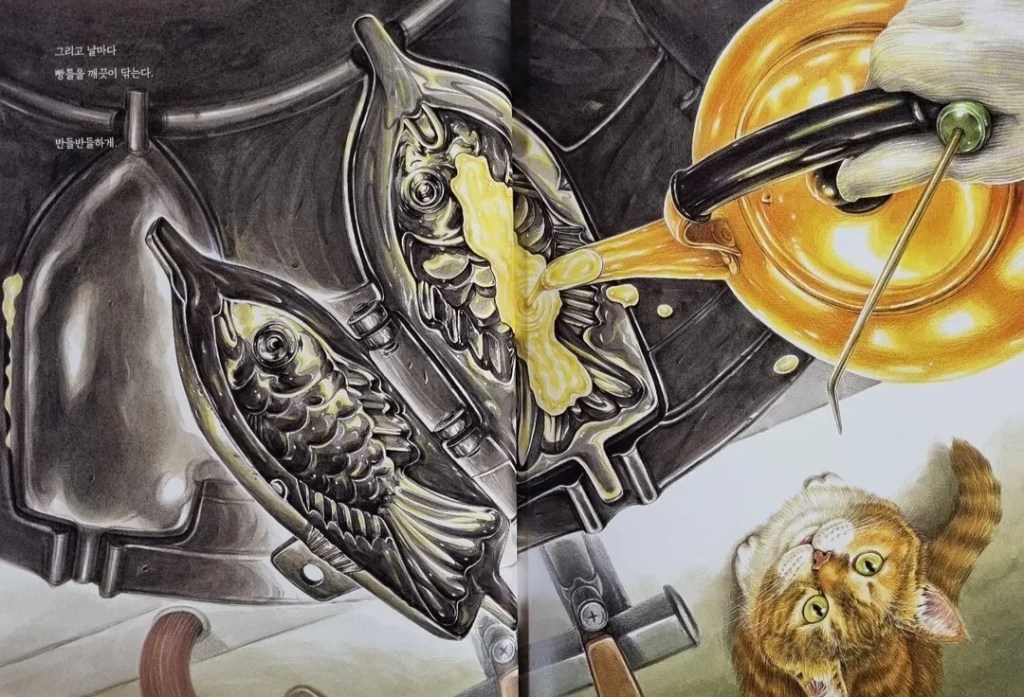
    Inside illustration from the Korean picture book "The Strongest Bungeoppang in the Universe"

    Wearing flower-patterned pants and boots,
    pulling a cart filled with batter and sweet red bean paste,
    the vendor walks proudly forward.

    Even from behind,
    you can tell —
    this is someone who truly believes in their craft.

    And somehow,
    you believe it too.


    Just Looking at the Pictures Makes You Hungry

    Golden-brown fish-shaped waffles,
    warm steam rising in the cold winter air,
    sweet red bean filling packed inside.

    The illustrations are so vivid
    you can almost taste them.

    Suddenly,
    you want bungeoppang too.


    Why “The Strongest”?

    The answer appears
    in the very last customer of the day.

    A small but meaningful moment
    that quietly reveals
    why this is not just the strongest in flavor —
    but strongest in heart.


    Searching for Our Own “Strongest”

    In winter,
    we all become children again.

    We follow the sweet smell on the street,
    hold a warm paper bag in our hands,
    and take that first bite.

    Maybe we are all searching
    for our own version
    of the strongest bungeoppang in the universe.


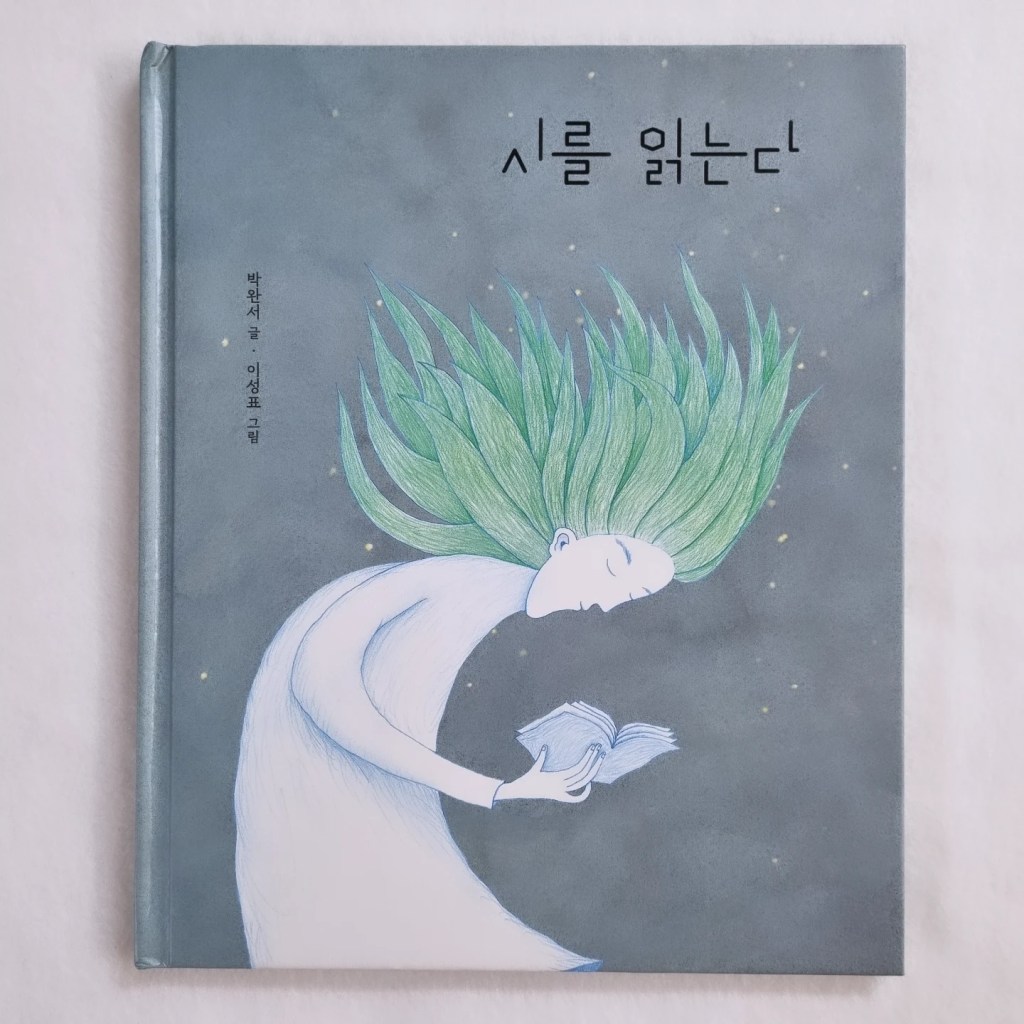
  • Why We Read Poetry – A Quiet Korean Picture Book for When You Feel Lonely

    Why We Read Poetry – A Quiet Korean Picture Book for When You Feel Lonely

    Why We Read Poetry

    Written by Park Wansuh · Illustrated by Lee Seongpyo
    Publisher: Jakga Jungshin (작가정신)

    This is not just a children’s picture book.
    It feels more like a quiet conversation with yourself.

    Why do we read poetry?

    Not because life is perfect.
    But often because it isn’t.


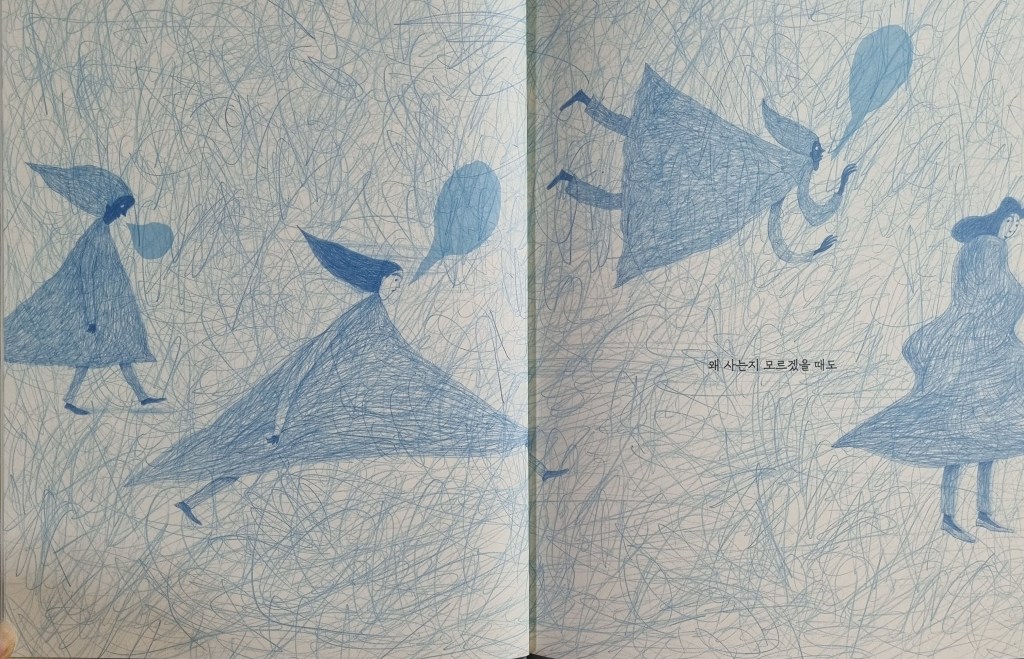
    “When we are bored and bored again,

    Even when we don’t know why we are living,
    We read poetry for comfort.”

    The book speaks in simple, honest sentences.

    When our minds grow dull and heavy,
    like an animal that has eaten too much,
    we read poetry
    to be pierced by its thorns
    and wake up again.

    When aging feels lonely,
    when thinking about death feels frightening,
    we read poetry.


    There is something deeply human here.
    Nothing dramatic.
    Just truth.

    The lines about flowers blooming and leaves falling
    remind us of repetition — of seasons returning.

    We say we could die without regret,
    yet we still prepare seeds
    to plant next year.

    That contradiction
    is exactly who we are.


    When Do You Read Poetry?

    For comfort.
    To wake your spirit.
    Because you feel lonely.
    Because you are afraid.

    Perhaps we read poetry
    when a small part of us
    already feels tired.

    Tonight,
    for the slightly exhausted version of myself,
    I choose to read poetry.

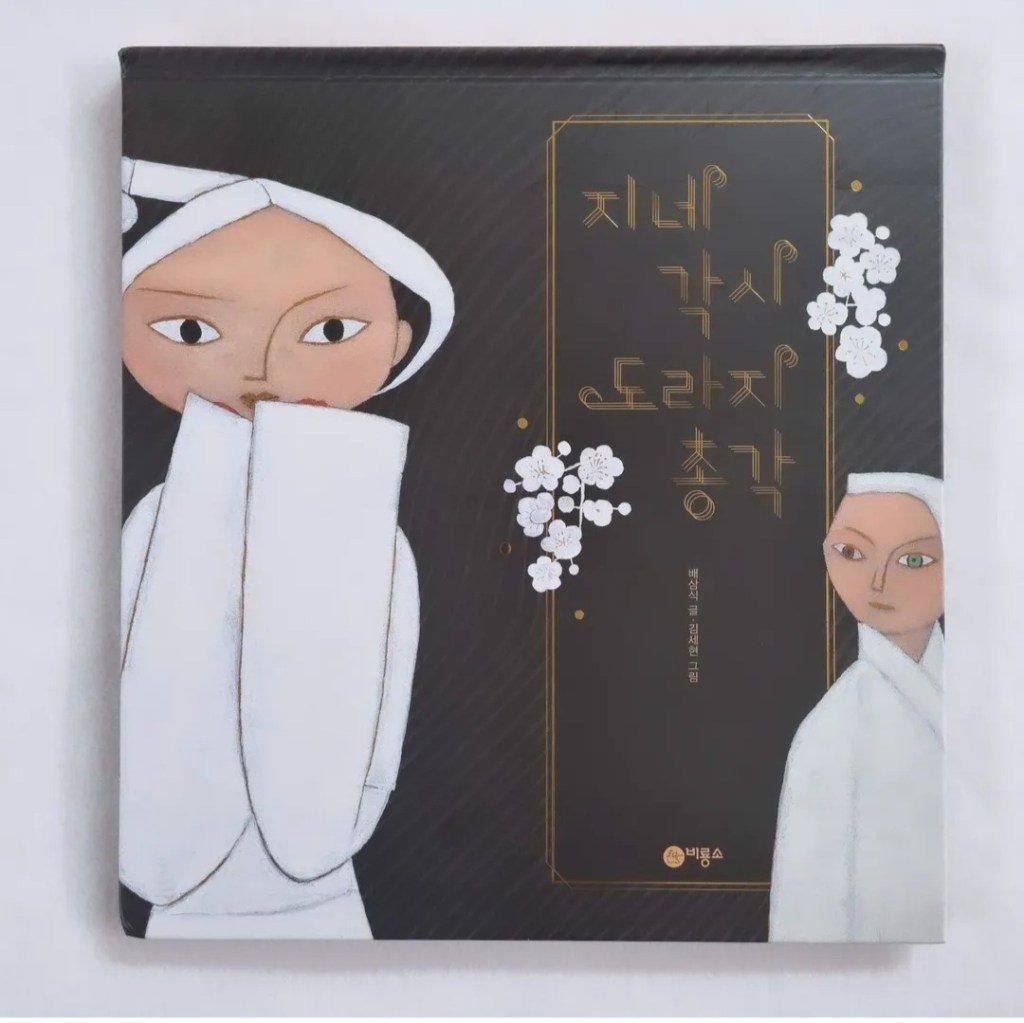
  • Centipede Bride and Bellflower Bachelor (지네각시 도라지 총각)

    Centipede Bride and Bellflower Bachelor (지네각시 도라지 총각)

    Centipede Bride and Bellflower Bachelor (지네각시 도라지 총각)

    Written by Bae Sam-sik Illustrated by Kim Se-hyeon in 2026 Releases

    Centipede Bride and Bellflower Bachelor

    Written by Bae Sam-sik Illustrated by Kim Se-hyeon Publisher Biryongso

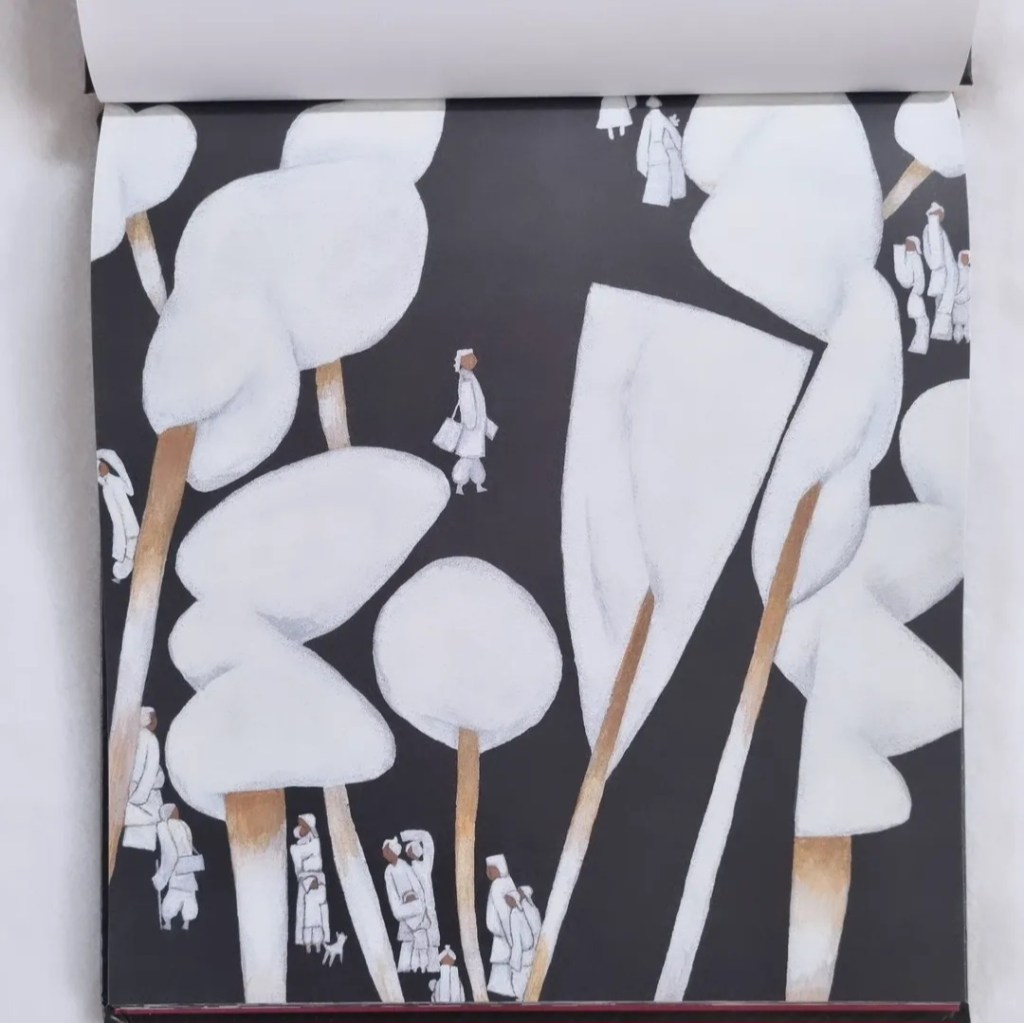
    Do you remember the legendary folk tale of the “Thousand-Year-Old Centipede” from the days when “tigers used to smoke pipes”? Centipede Bride and Bellflower Bachelor is a breathtakingly beautiful reimagining of this classic story, weaving a profound narrative that resonates with modern sensibilities.

    This picture book is a masterpiece of storytelling, striking a flawless balance between traditional Korean elegance and a minimalist, contemporary aesthetic. Rather than a simple retelling, it breathes new life into the ancient myth by exploring the characters’ tragic backstories, challenging traditional gender roles, and presenting a fresh, high-density perspective on the nature of love.

    The bachelor’s piercing blue eyes and the bride’s vibrant red hands—initially seen as “other” or strange—transform into beautiful symbols of devotion through their deep, sincere affection for one another.

    “What is the essence of love? What does it truly mean to trust and embrace someone as they are?”

    This is a story of “Jeong” (deep attachment) and heartfelt connection. We invite you to lose yourself in this evocative tale that explores the power of inclusion and the courage it takes to have unwavering faith in one another.

    Themes Folklore Reinterpretation · Love and Trust · Inclusion · Korean Aesthetics · Humanism Recommended Age 7+ (Recommended for all ages)

    Share this: Press This X Facebook

  • Untitled post 51

    Gyeongbokgung Friends (경복궁 친구들)

    Written and Illustrated by Cho Su-jin in 2026 Releases

    Gyeongbokgung Friends

    Written and Illustrated by Cho Su-jin Publisher Eoheung Daejakjeon

    If you are planning a spring outing with your family, this picture book is a highly recommended read. While almost everyone knows of Gyeongbokgung Palace, not many are familiar with the deep stories hidden within its walls. Through the tales in Gyeongbokgung Friends, you can discover a wealth of new information about this historic site.

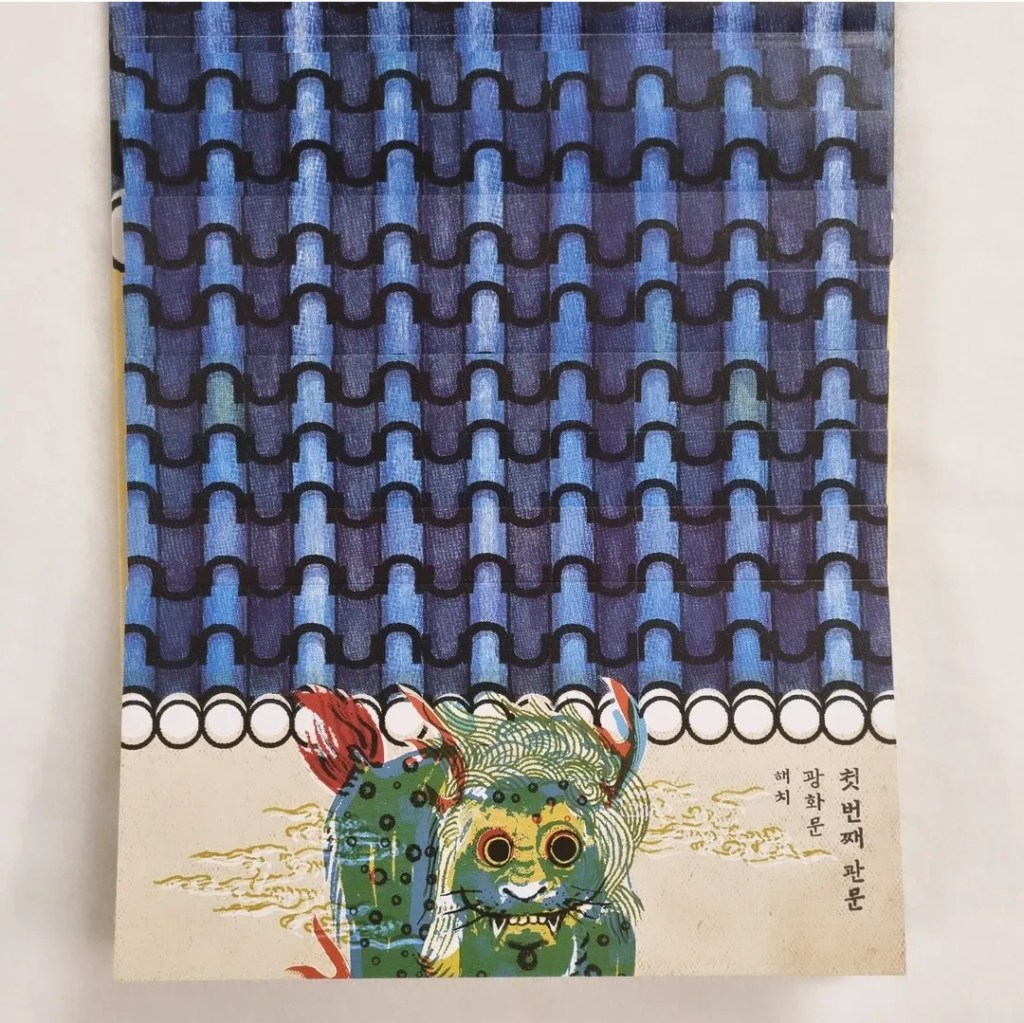
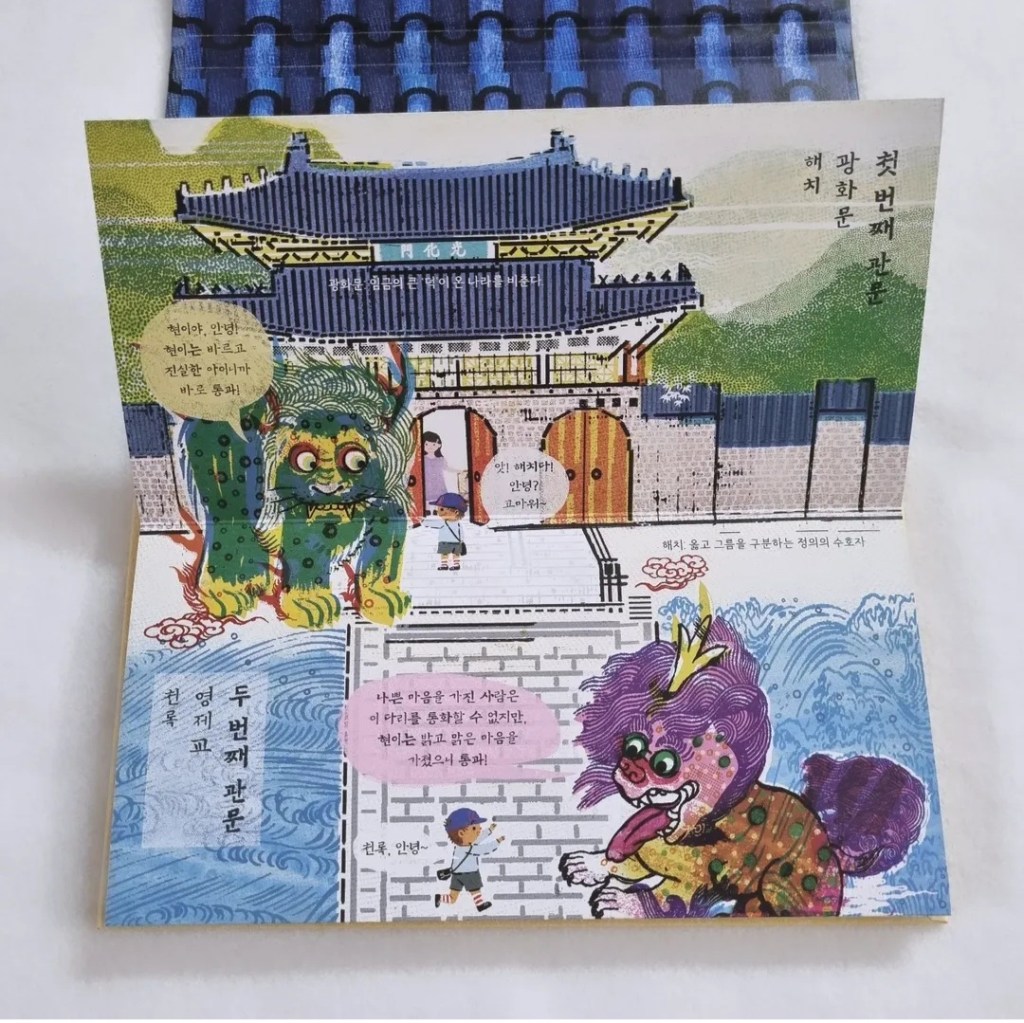
    This book is uniquely designed as a panorama-style fold-out picture book. Starting from Gwanghwamun, the story takes readers through Yeongjegyo, Geunjeongjeon, Sajeongjeon, Gyotaejeon, Jagyeongjeon, Gyeonghoeru, and finally to Sinmumun. Along the way, various “Seosu” (auspicious guardian animals) that protect each architectural structure make their appearance.

    A journey to meet the King through the deep, layered gates of the palace. On the road to meet the King, guardians reveal themselves one by one beneath the layers of blue roof tiles:

    • Haechi at Gwanghwamun, the justice seeker who distinguishes right from wrong.
    • Cheonrok at Yeongjegyo, who wards off evil spirits and allows only those with pure hearts to pass.
    • The Four Guardian Spirits and Twelve Zodiac Animals acting as guardians of direction.
    • The Red Dragon and Clouds, symbolizing the King and cooperation.
    • Bulgasari to ward off fire, Bats for good fortune, and the Sipjangsaeng (Ten Symbols of Longevity).
    • The Bronze Dragon and Elephant at Gyeonghoeru, and Hyeonmu at the north gate.

    Experience the magic of Gyeongbokgung through these sacred guardians and their symbolic meanings. Shall we begin our journey to the palace?

    Through this book, readers can explore:

    • The diverse architecture of Gyeongbokgung Palace.
    • The meanings and roles of various guardian animals (Seosu).
    • The traditional concept of “Gunjung-gungweol” (the deep interior of the palace).
    • Visual storytelling through a unique panorama format.

    Themes Gyeongbokgung · Guardian Animals · Traditional Architecture · History · Family Outing Recommended Age 4–9


    Share this: [X] [Facebook]

    Comments Leave a comment..


    Would you like me to generate a featured image or a thumbnail for this WordPress post?

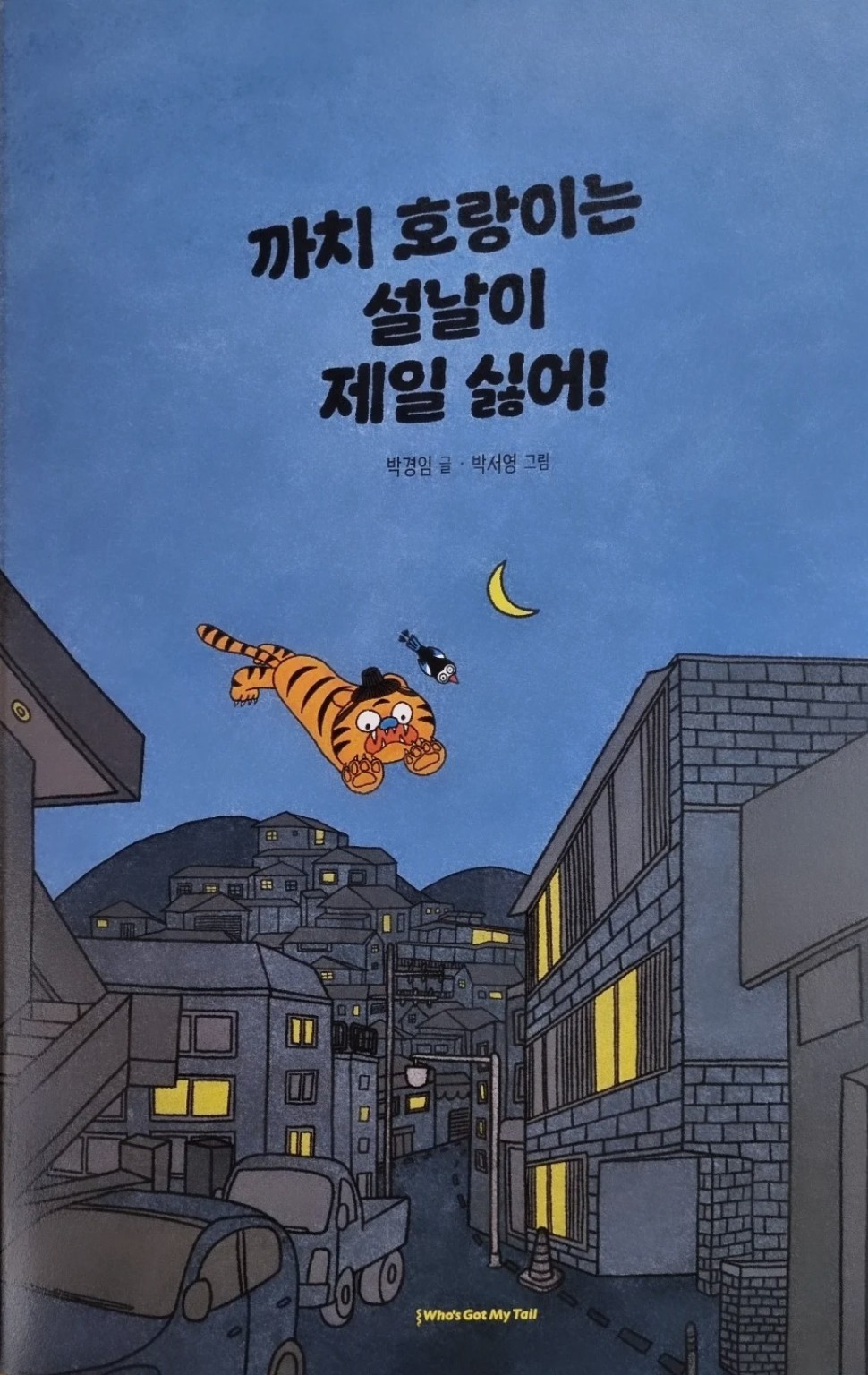
  • Magpie Tiger Hates Lunar New Year! (까치 호랑이는 설날이 제일 싫어!)

    Magpie Tiger Hates Lunar New Year! (까치 호랑이는 설날이 제일 싫어!)

    Magpie Tiger Hates Lunar New Year!

    Written by Park Kyung-im
    Illustrated by Park Seo-young
    Publisher Hoozmate

    A humorous and witty reinterpretation of Korean folk painting (Minhwa),
    Magpie Tiger Hates Lunar New Year! introduces readers to the traditional New Year custom of “Sebaehaeng” (New Year’s protective folk paintings).

    In Korean tradition, Sebaehaeng paintings were attached to doors at the beginning of the year to drive away evil spirits and invite good fortune. Tigers, magpies, roosters, dogs, and mythical creatures often appeared as guardians.

    But in this story, something is different.

    The tiger — who is supposed to scare away ghosts — is actually terrified of them.

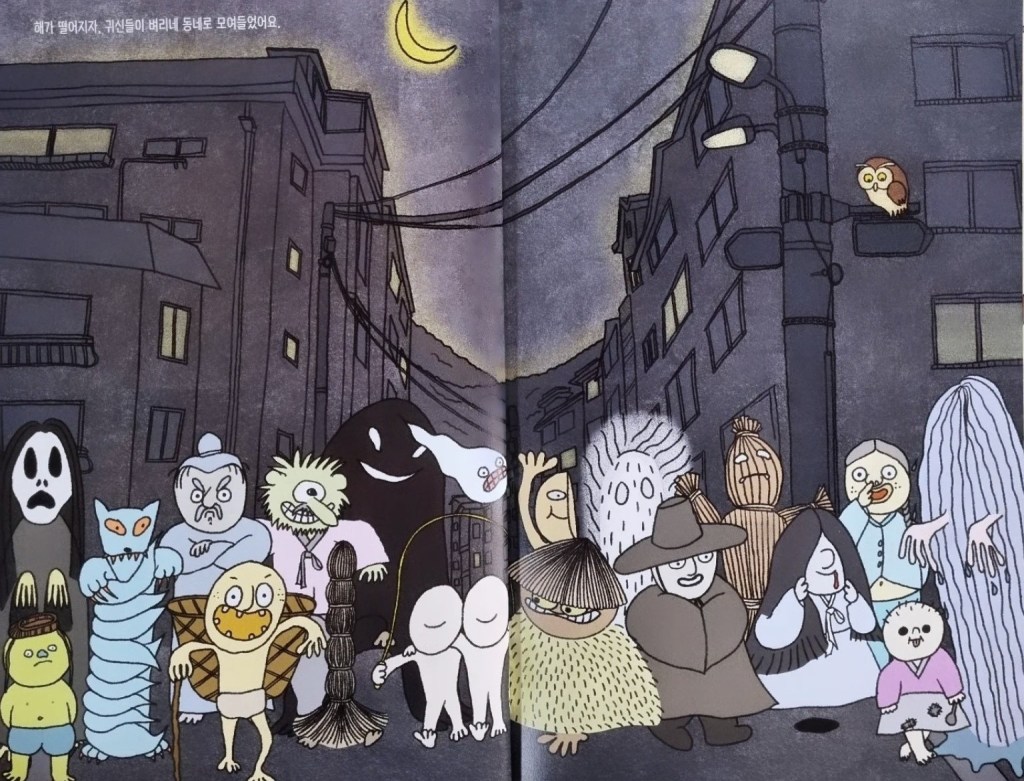
    As Lunar New Year approaches and the village prepares its protective paintings, ghosts begin to gather in the dark streets. The brave-looking tiger desperately tries to escape from the spirits he fears the most.

    Through humor and expressive illustrations, this book introduces children to:

    • Korean folk painting traditions
    • Lunar New Year customs
    • Symbolic guardian animals in Korean culture
    • The irony and humor hidden in traditional imagery

    This picture book beautifully connects heritage with playful storytelling, making it an engaging introduction to Korean culture for international readers.


    Themes

    Lunar New Year · Korean Folk Art · Minhwa · Humor · Cultural Heritage

    Recommended Age

    4–9